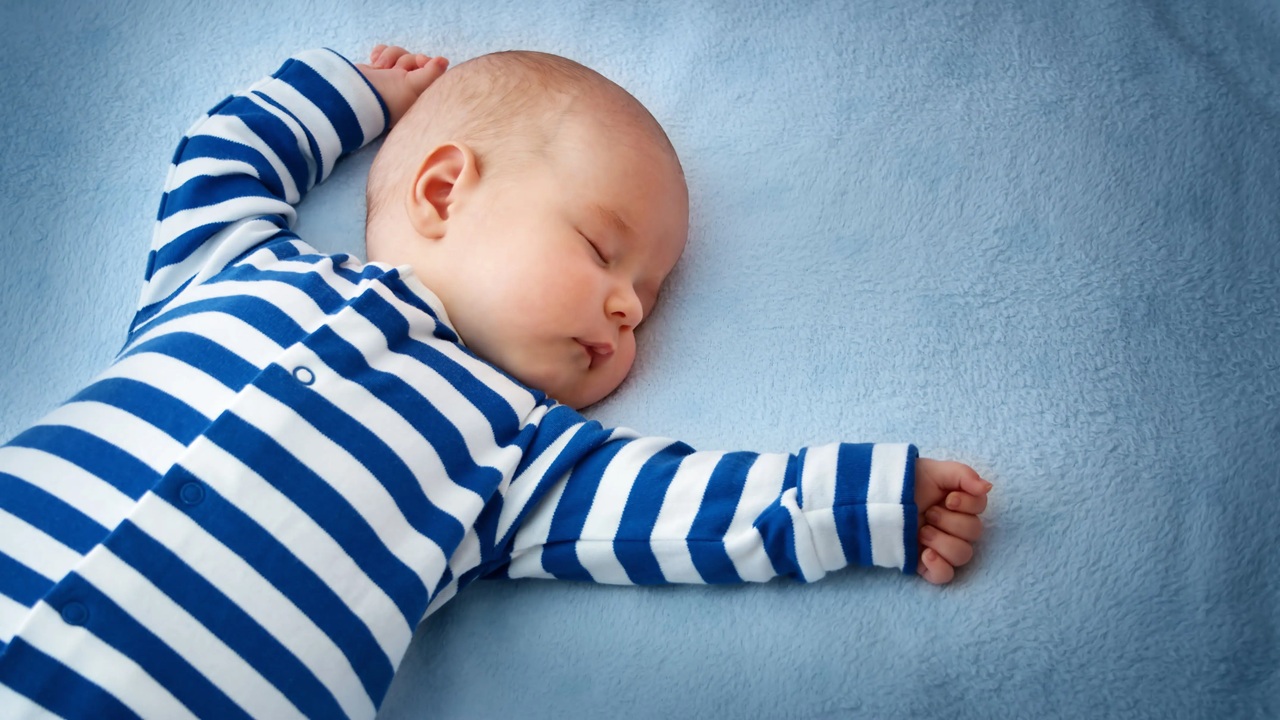
Babies sleep, and dressing them can be a confusing idea when trying to dress them based on season changes. Infants lose the ability to control their body temperature in comparison with older children or adults. They can also get either overheated or underheated very quickly. There is a need to pick the right sleep clothes that will be used to have babies sleep safely and comfortably. PJGarment gives effective advice on how to dress baby for sleep so that they can sleep in summer. This is an article on how to select fabrics, kinds of clothing and layering according to the temperature and nature of the environment.
Choosing the Right Fabric
Baby sleepwear depends on the content of the material to define the level of comfort, safety and heat. Natural materials such as cotton are soft and breathable as well as sweat-absorbing. Organic cotton would be a safe bet as it has a lower number of chemicals and can be applied to sensitive skin. Another excellent opportunity is bamboo fiber. It is cheap, lightweight, and anti-bacterial, and this maintains the baby's cool and clean. Blended with cotton, modal is offered with a soft, water-absorbing sleeping outfit. The babies are wrapped in wool to keep them warm in winter, but this can cause severe irritation to sensitive skin. Polyester is tough and traps heat and decreases breathability. Blending fabrics is a way to bring the advantages of the various materials as well, such as softness and warmth.
Dressing Babies in Summer
Summer sleep clothes are not to be heavy. Bamboo or cotton pajamas ensure the babies are cool. When it comes to a fan or air conditioner, it should not be blown on the baby. The room should have an ideal temperature of 24-26 degrees Celsius and a humidity of 40-60 percent. Proper ventilation may be adopted so as to provide comfort and prevent overheating, thus causing sleep disturbance.
Dressing Babies in Winter
During winter, there is a need to layer babies to keep them warm. A base layer can be started with a long-sleeved onesie. To be even more warm, add a fleece pajama or a cotton sleeper. Sleep sacks can be used as an outlay. Socks and hats help avoid the loss of heat through the feet and the head. The temperature inside the buildings is supposed to be checked in order to prevent overheating. Having a humidifier will help to avoid the air being too dry that will pose a threat to the skin and breathing of the baby.
Dressing Babies in Spring and Autumn
The weather of spring and fall is generally associated with changing weather conditions, and one should wear loose attire. Light sweaters covering the body fully in a long sleeve covering over onesies or pajamas are not heavy and can be used to keep a person warm. Light sleep sacks may be included in case the room is cold. The use of layers is crucial because when the weather is outdoors, the temperatures vary during the day. Soft clothes that are not too tight are used so that the baby is comfortable during sleep.
Dressing for Different Sleep Environments
The sleeping conditions influence the way a baby should be dressed. Nursery rooms in the home are supposed to be low-light, silent and of a comfortable temperature. Babies are more likely to be comfortable throughout the night when they are selected as breathable sleepwear. Having familiar sleep clothes offers security while traveling or sleeping. Bringing a favorite swaddle helps babies adapt. Ensure the room is comfortable. A regular schedule aids sleep.
Monitoring Baby Comfort
One should also test whether a baby is either too hot or too cold. The neck and the wrist are considered good places to check the temperature. Wet and dry skin demonstrates discomfort. The violation of hot or dry skin may signify overheating or chill. Another temperature measure is feet. The warm feet help in maintaining the remaining parts of the body at a comfortable temperature. It is also possible to check whether sleepwear is right or not based on the observation of sleep behavior, such as frequent wakefulness or restlessness.
The Right Temperature Rule
It has been found that the optimal room temperature of 22 degrees Celsius facilitates sleep. Sleep cycles and deep sleep are increased in babies at this temperature. Light pajamas, such as shorts or short sleeves, should be worn when the room is over 24 °C. In temperatures below 20 °C, 2.5 tog pajamas keep you warm.
Conclusion
Baby sleepwear would be of seasonal and weather dependences, breathable and soft fabric, and onesies, sleep sacks, and pajamas. The adjustment of the comfort is beneficial after observing the room temperature and observing the behavior of the baby. Such pieces of advice will guarantee that babies get to sleep healthily regardless of the time of the year. PJGarment tips can help parents and caregivers make responsible and considerate decisions that can help babies sleep and grow healthy.